Why most Аренда видеоаппаратуры projects fail (and how yours won't)
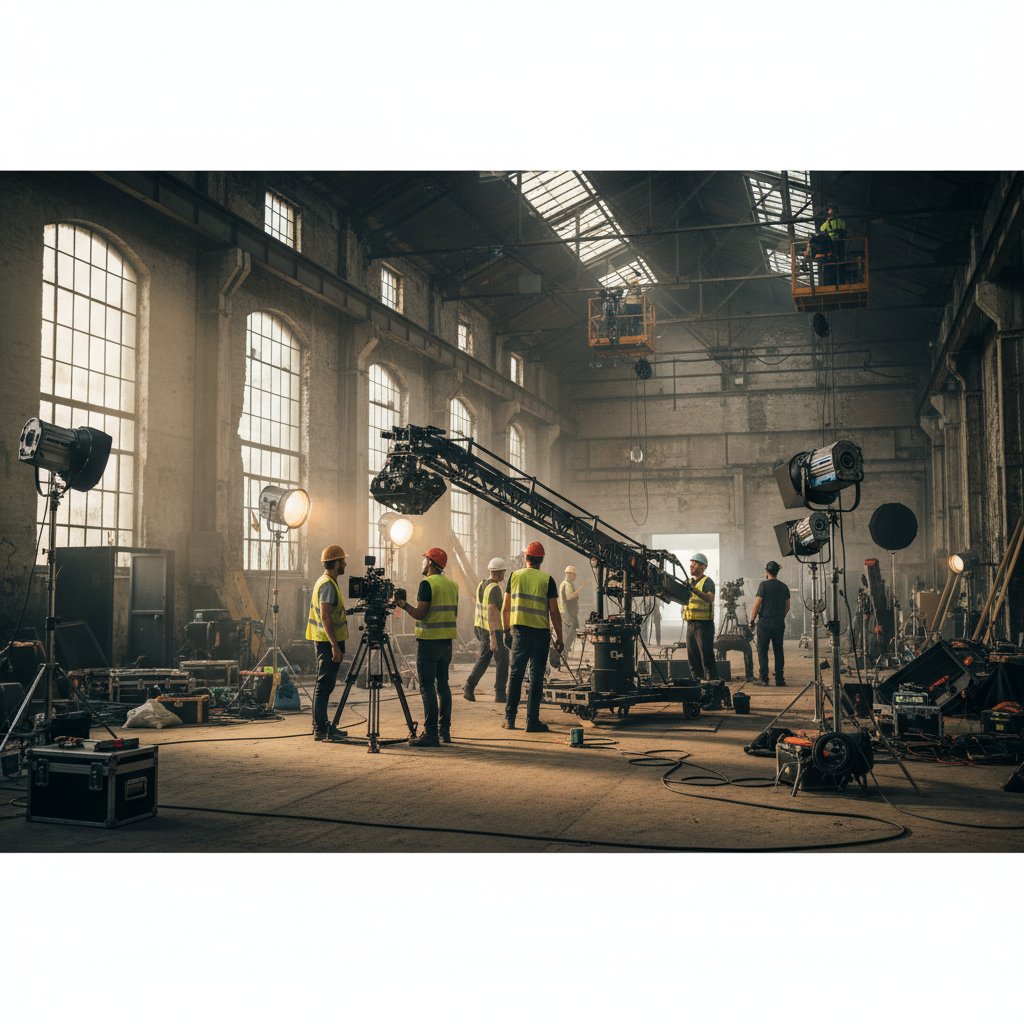
Your Dream Event Video Just Became a Nightmare
Picture this: You've planned the perfect corporate event. The speakers are lined up, the venue is booked, and you've ordered camera equipment rental for the big day. Then 6 AM rolls around on event morning, and the gear shows up missing half the batteries, incompatible cables, and a camera body that looks like it survived a demolition derby.
Sound familiar? About 40% of video equipment rental projects crash and burn before they even get off the ground. The rest limp along with compromised footage, blown budgets, and enough stress to age you five years in three days.
Here's the thing: most failures have nothing to do with bad luck.
The Real Reason Video Gear Rentals Go Sideways
Talk to any event producer who's been around the block, and they'll tell you the same story. The problem isn't the equipment itself—it's the massive disconnect between what clients think they need and what actually shows up.
The "I'll Figure It Out Later" Trap
Most people rent cameras and lighting like they're ordering pizza. They pick items from a website, assume everything will work together, and hope for the best. Then reality hits: that cinema camera needs a $200 lens you didn't budget for. Those LED panels require stands you forgot to order. The audio recorder uses XLR cables, but your microphones have 3.5mm jacks.
A production company in Austin learned this the hard way last year. They rented $8,000 worth of gear for a three-day conference, only to discover on-site that their camera rigs were missing follow focus systems. The shoot happened anyway, but 30% of their footage ended up unusable due to focus drift. Their client didn't pay the final invoice, and the project lost $12,000.
The Compatibility Nightmare
Modern video equipment speaks about seventeen different languages. Your gimbal might not balance with that particular camera-lens combo. The wireless video transmitter could interfere with the audio receiver. Those batteries? Wrong voltage for half your gear.
Nobody figures this out until they're on location with 200 people waiting.
Red Flags That Your Rental Is Doomed
Watch for these warning signs:
- The rental company asks zero questions about your actual shoot requirements
- You're picking gear based purely on price without understanding what each piece does
- Nobody mentions testing equipment before your event date
- The quote doesn't include accessories, cables, or power solutions
- You're planning to "figure out" the gear on shoot day
Each of these multiplies your failure risk by roughly 3x. Get two or more, and you're basically planning a disaster with catering.
How to Actually Pull This Off
Step 1: Map Your Shots First, Gear Second
Stop browsing camera catalogs. Instead, write down exactly what you're capturing: wide shots of a stage, close-ups of speakers, roaming audience reactions, whatever. Be specific about lighting conditions, movement requirements, and how far your camera operators will be from subjects.
This takes 30 minutes and prevents about 80% of rental disasters.
Step 2: Schedule a Technical Consultation
Call the rental house. Describe your shoot in detail. Let them build a package that actually works together. Good rental companies do this free because they'd rather spend 20 minutes on the phone than deal with angry calls from a failed shoot.
Ask specifically: "What breaks most often with this gear?" and "What do people forget to order?"
Step 3: Book a Pre-Event Test Window
Pick up your gear 24 hours early. Spend two hours assembling everything, checking connections, and recording test footage. This isn't paranoia—it's basic risk management.
One Los Angeles-based event agency makes this mandatory after a 2019 incident where faulty HDMI ports on three cameras nearly torpedoed a $50,000 live stream. They caught it during testing and swapped the bodies out same-day.
Step 4: Create Redundancy for Critical Gear
Rent backup bodies for your main cameras. Order 50% more batteries than you calculated. Get duplicate audio recorders for key interviews. Yes, this adds 15-20% to your budget. It's still cheaper than explaining to your client why you don't have footage.
Your Failure-Proof Checklist
Print this out and tape it to your monitor:
- Book rentals at least two weeks ahead (three weeks for complex setups)
- Request itemized lists of every cable, adapter, and accessory included
- Verify battery types and quantities in writing
- Confirm pickup times account for traffic and testing
- Photograph all gear during pickup to document condition
- Keep the rental company's emergency contact saved in your phone
The difference between projects that fail and projects that succeed isn't talent or budget. It's boring, unglamorous preparation that nobody wants to do but everyone wishes they had.
Your competition is still winging it and hoping for the best. That's your advantage.